
Aromatherapy, a holistic healing practice that utilizes essential oils, has gained popularity for its potential health benefits. However, like any therapy, it has its pros and cons.
This article aims to provide a balanced perspective on aromatherapy certificate course in aromatherapy, shedding light on its effectiveness in stress management, its potential side effects, and safety considerations.
By examining the evidence, readers can make informed decisions about incorporating aromatherapy into their wellness routines.

Health Benefits of Aromatherapy
Aromatherapy has been shown to provide various health benefits, including improved sleep, reduced stress and anxiety, and enhanced mood. Numerous studies have been conducted on aromatherapy research, demonstrating the positive effects of essential oils on our emotions and overall well-being.
When inhaled or applied topically, essential oils interact with the limbic system, which is responsible for regulating emotions and memories. This interaction triggers the release of neurotransmitters, such as serotonin and dopamine, that promote relaxation, calmness, and improved mood. Additionally, certain essential oils, such as lavender and chamomile Singapore Nila, have sedative properties that aid in sleep regulation.
Aromatherapy also helps reduce stress and anxiety by promoting a sense of calm and relaxation. The evidence from aromatherapy research suggests that incorporating essential oils into our daily routine can have profound positive effects on our emotional and mental well-being.
Potential Side Effects of Aromatherapy
When considering the use of essential oils for therapeutic purposes, it is important to be aware of the potential side effects that may arise from the practice. While aromatherapy is generally considered safe, there are still potential risks and adverse reactions that individuals should be aware of.
Some common side effects of aromatherapy include skin irritation, allergic reactions, and respiratory issues. Certain essential oils, such as citrus oils, may increase sensitivity to sunlight and cause photosensitivity.
Additionally, some essential oils may interact with medications, so it is crucial to consult with a healthcare professional before using aromatherapy if you are taking any medications. It is also important to note that essential oils should never be ingested as they can be toxic.
Effectiveness of Aromatherapy in Stress Management
Research has shown that the use of essential oils in stress management has been found to be effective in promoting relaxation and reducing anxiety levels.
Aromatherapy, the practice of using plant extracts to enhance physical and psychological well-being, has gained popularity in recent years due to its potential benefits.
When inhaled or applied topically, essential oils can stimulate the olfactory system and trigger a relaxation response in the body. This can help to alleviate stress, improve mood, and enhance overall mental health.
Additionally, some essential oils have been found to have an impact on pain relief, further adding to their potential therapeutic value.
While more research is needed to fully understand the mechanisms behind aromatherapy’s effectiveness, there is growing evidence to suggest that it can be a valuable tool in managing stress and promoting relaxation.
Safety Considerations in Aromatherapy
It is important to consider safety precautions when utilizing essential oils for therapeutic purposes. While essential oils have numerous potential benefits, it is crucial to understand the potential risks and exercise caution when using them.
One important consideration is the potential for essential oil interactions. Some oils can interact with medications, either enhancing or inhibiting their effects. It is recommended to consult with a healthcare professional before using essential oils if you are taking any medications.
Additionally, allergic reactions can occur when using essential oils. Some individuals may be sensitive or allergic to certain oils, which can lead to skin irritation, respiratory problems, or other adverse reactions. It is advisable to perform a patch test before using a new oil and to discontinue use if any negative reactions occur.
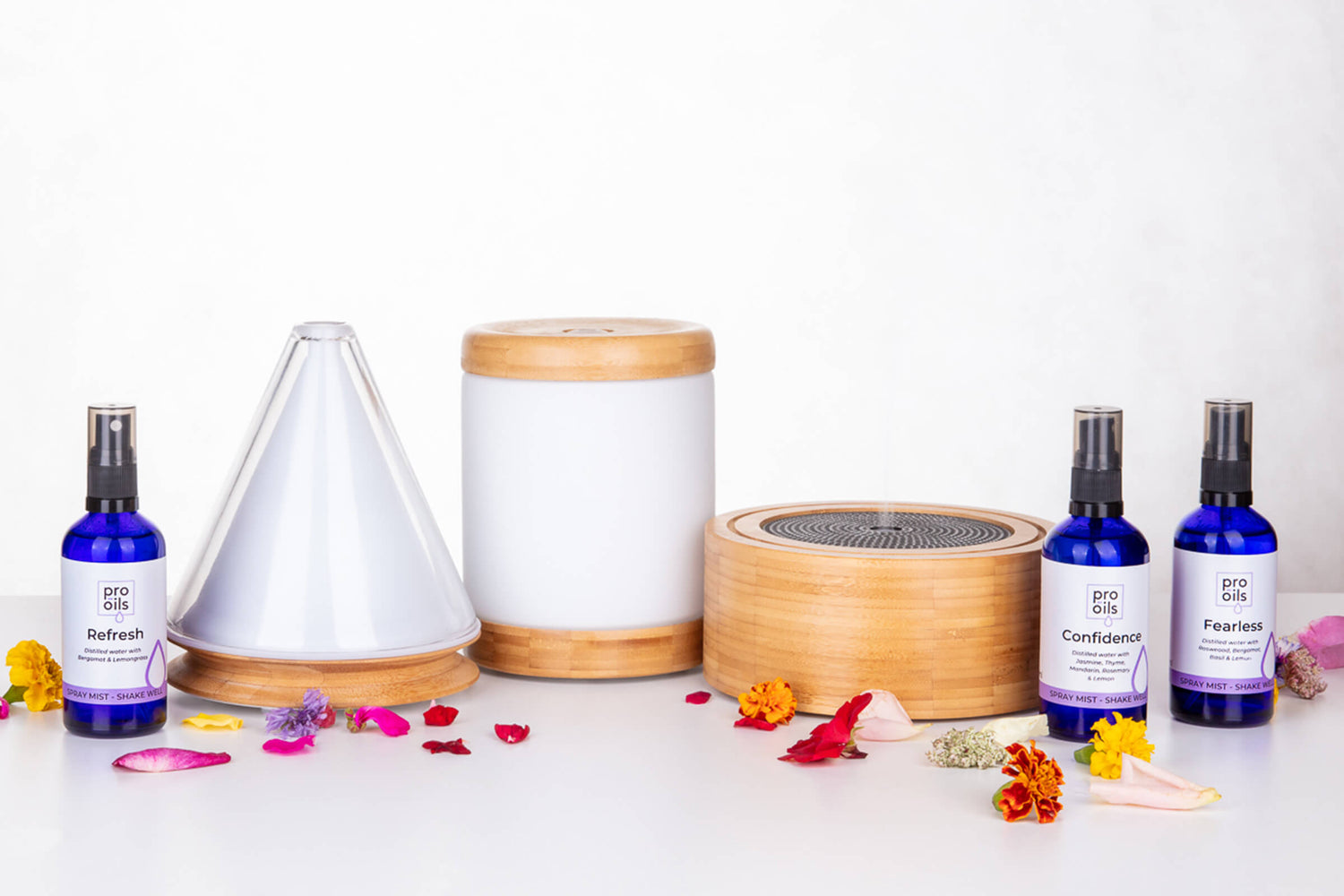
Aromatherapy as Complementary Therapy for Various Conditions
Aromatherapy has been utilized as a complementary therapy for a variety of conditions, such as anxiety, pain management, and sleep disturbances.
When it comes to pain management, certain essential oils like lavender, peppermint, and eucalyptus have shown potential in providing relief. These oils can be applied topically or used in a diffuser to create a soothing environment.
Aromatherapy has also been explored as a potential treatment for sleep disorders. Essential oils like lavender and chamomile are known for their calming properties and can help promote relaxation and improve sleep quality.
However, it’s important to note that while aromatherapy may offer some benefits, it is not a substitute for medical treatment. It is always recommended to consult with a healthcare professional before incorporating aromatherapy into your healthcare routine.
Conclusion
In conclusion, aromatherapy has shown potential health benefits, particularly in stress management and as a complementary therapy for various conditions.
However, it is important to consider potential side effects and safety considerations associated with its use.
Further research is needed to determine the full effectiveness and long-term effects of aromatherapy.
Overall, when used responsibly and under professional guidance, aromatherapy may provide a valuable addition to holistic wellness practices.
…